
New here? Get $10 off your first order
📦 Free AU shipping over $250
⭐️ 800+ verified 5 star reviews
Tried & tested in our studio
Supporting beginners, hobbyists and professional jewellers
0

Your Cart is Empty

Soldering Tweezers

Soldering Tweezers - Frequently Asked Questions

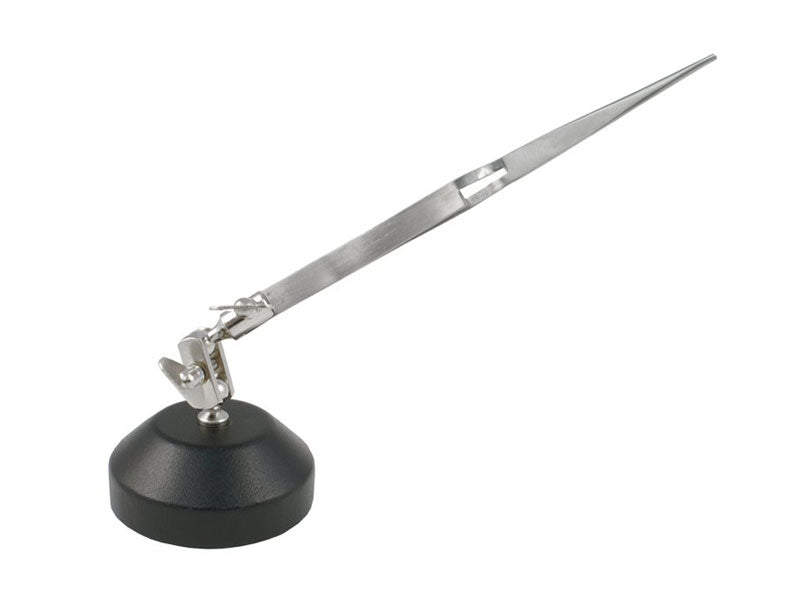
One pair of cross lock tweezers alone won't cover most jobs, since they hold your piece steady but can't pick up and place solder. For that you'll need a pair of precision tweezers (stainless steel or titanium) or a solder pick as well. Once you're soldering regularly, having a range on hand pays off, and it's also handy to have more than one pair of the same tweezers on the bench, so you're not stopping to hunt one down mid-solder. Our Soldering Tweezers Set covers all of this in one go, different grips and tip shapes across different pieces, plus a titanium pick, copper tongs and a third hand. Worth noting too that most of these tweezers already come included in our soldering kits, from the Basic Soldering Starter Kit through to the Deluxe Jewellery Studio Pro Kit with Smith Little Torch, so if you've bought one of those you may already have what you need.

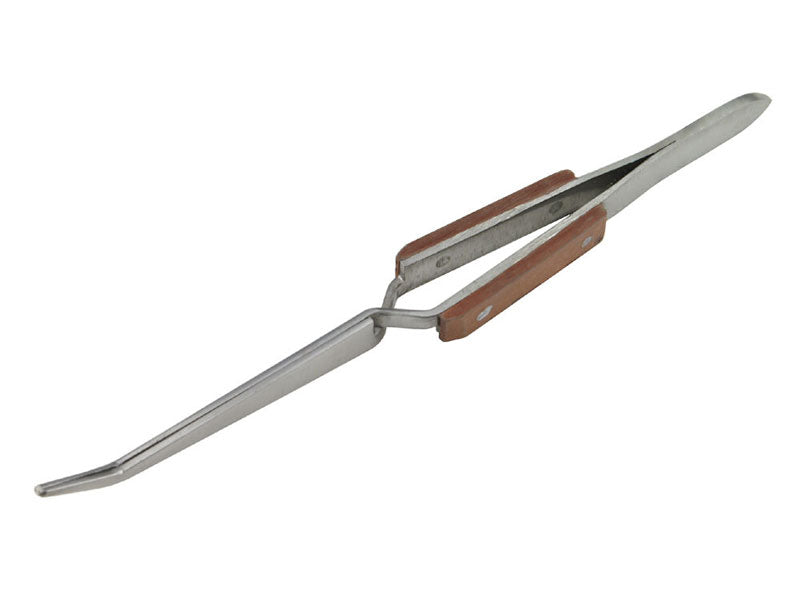
Cross lock tweezers are the ones most people reach for once they start soldering. The cross lock mechanism means the tips stay closed under light pressure, so you can position a piece and let go without it slipping, which frees up your hands to apply heat. Our curved tip version is the one customers buy most, since the curve gets you into tighter angles than a straight tip.

Titanium tweezers won't have solder stick to the tips the way stainless steel can, so they stay cleaner for longer, and they're noticeably lighter too. Stainless steel tweezers, like our cross lock range, are a more affordable everyday option and still hold up fine to regular studio use.

Precision tweezers have a fine, tapered tip rather than the broader jaws on a cross lock pair, which makes them the ones you use for picking up and placing solder pallions exactly where you need them. They're not designed to hold a piece steady under heat the way cross lock tweezers are, so most makers keep both types on the bench for different jobs.

Standard steel tools can pick up a slight magnetic charge over time, particularly in a workshop that also uses magnetic polishing equipment. Once that happens, they start attracting fine metal filings and become annoying to work with. Antimagnetic tweezers avoid that problem, which is why we stock antimagnetic versions in our precision range.

Not steel ones. Steel tweezers can contaminate a citric acid pickle solution over time and cause plating issues on your work, so copper tongs stay dedicated to pickle duty and tweezers stay out of it.

Our cross lock tweezers have insulated, fibre-grip handles, so the handle itself won't get uncomfortably hot even though the tips will. They're rated for the direct torch heat you'll get during normal soldering, not for holding a piece inside a kiln or furnace.

The curved tip is the one customers buy most from this range, likely because the angle makes it easier to get into tighter spots on a piece. The straight tip is worth choosing instead if you're working flatter pieces or want a more direct line of sight to the joint. Either way, they use the same cross lock mechanism, so it comes down to which angle suits how you like to hold your work.

Sign up to get $10 off* your first order